Atnaujinkite slapukų nuostatas

El. knyga: Wizard of the Two Niles: Poems

  • Formatas: 56 pages
  • Išleidimo metai: 30-Apr-2015
  • Leidėjas: Trafford Publishing
  • Kalba: eng
  • ISBN-13: 9781490756769
Kitos knygos pagal šią temą:
  • Formatas: 56 pages
  • Išleidimo metai: 30-Apr-2015
  • Leidėjas: Trafford Publishing
  • Kalba: eng
  • ISBN-13: 9781490756769
Kitos knygos pagal šią temą:

DRM apribojimai

  • Kopijuoti:

    neleidžiama

  • Spausdinti:

    neleidžiama

  • El. knygos naudojimas:

    Skaitmeninių teisių valdymas (DRM)
    Leidykla pateikė šią knygą šifruota forma, o tai reiškia, kad norint ją atrakinti ir perskaityti reikia įdiegti nemokamą programinę įrangą. Norint skaityti šią el. knygą, turite susikurti Adobe ID . Daugiau informacijos  čia. El. knygą galima atsisiųsti į 6 įrenginius (vienas vartotojas su tuo pačiu Adobe ID).

    Reikalinga programinė įranga
    Norint skaityti šią el. knygą mobiliajame įrenginyje (telefone ar planšetiniame kompiuteryje), turite įdiegti šią nemokamą programėlę: PocketBook Reader (iOS / Android)

    Norint skaityti šią el. knygą asmeniniame arba „Mac“ kompiuteryje, Jums reikalinga  Adobe Digital Editions “ (tai nemokama programa, specialiai sukurta el. knygoms. Tai nėra tas pats, kas „Adobe Reader“, kurią tikriausiai jau turite savo kompiuteryje.)

    Negalite skaityti šios el. knygos naudodami „Amazon Kindle“.
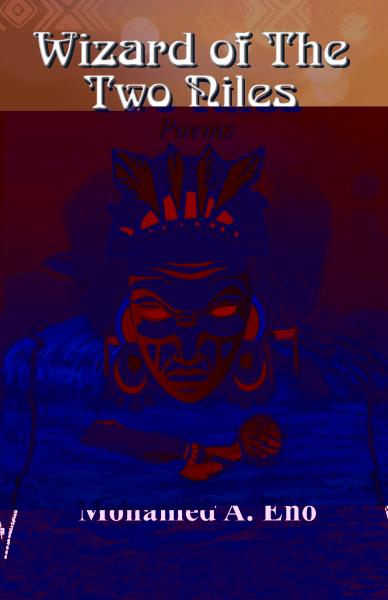
In these poems, the imaginary peculiar and the experiences lived comingle in versatile rhythms and rhymes. Whether the anthological presentation of the imaginary or the demonstration of the experiences, or whether both were coincidental is a matter for readers to decide, drawing their own perceptions of yet another imaginary tale in which the narrative leads them rather than the narrator. This is because some of the narratives exhibited here are indeed unusual and would require a great deal of patience on the part of the reader to separate what was the original imaginary and what has been encountered as peculiar experience that had disturbed the narrator prior to the narration of the odd encounter. On the other hand, the complex world of experience has a variety of underpinning factors: Is the experience in question a lived one? Is it a seen or witnessed reality? Does it relate to the imagery and imagination of the narrator, writer, author, etc.? Are the observations through the imagination and the subjects of the imagery metaphorical? Or is the experience an authorial portrayal of a social reality shared or witnessed by others? These, in my opinion, offer a reflection of how a reader-decoder will interpret the poetic narratives expressed in the verses and at their disposal. The aim, as Ive done here, is to present to the reader what to reflect on, and the type of reflection, the quality of meaning to be made out of the narrative and narration, is to be left to the reader. This is what I have done in many of the poems in this collection.